
Understanding the psychological factors that drive gambling behavior in casinos

Understanding the psychological factors that drive gambling behavior in casinos
The Allure of Casinos
Casinos are designed to create an atmosphere of excitement and anticipation, which plays a significant role in attracting individuals to gamble. The vibrant lights, captivating sounds, and the overall ambiance contribute to a sensory overload that heightens the thrill of gambling. This environment can stimulate dopamine release in the brain, leading to feelings of pleasure and reward, ultimately reinforcing the desire to engage in gambling behavior. If you’re curious about different gaming experiences, check out the Ice Fishing game demo, where the theme shifts to the icy waters.

Moreover, casinos often employ psychological tactics, such as near misses and intermittent reinforcement, to keep players engaged. When a player almost wins, it can create a sense of hope and excitement, encouraging them to continue playing. This combination of sensory stimulation and psychological strategies leads to a potent mix that draws individuals back into the casino environment repeatedly.
The Role of Cognitive Biases
Cognitive biases significantly influence gambling behavior by distorting perceptions of probability and outcomes. Many gamblers fall prey to the gambler’s fallacy, believing that past events can influence future results. For example, someone may think that if a slot machine hasn’t paid out in a while, it’s «due» for a win. Such misconceptions can lead to repeated gambling, as individuals chase perceived patterns rather than understanding the randomness of games.
Another common cognitive bias is the illusion of control, where players believe they have some influence over the outcome of games, especially those that involve an element of skill. This false sense of agency can encourage individuals to gamble more, as they feel empowered by their supposed abilities, despite the reality that most casino games are based purely on chance.
Social Influences on Gambling
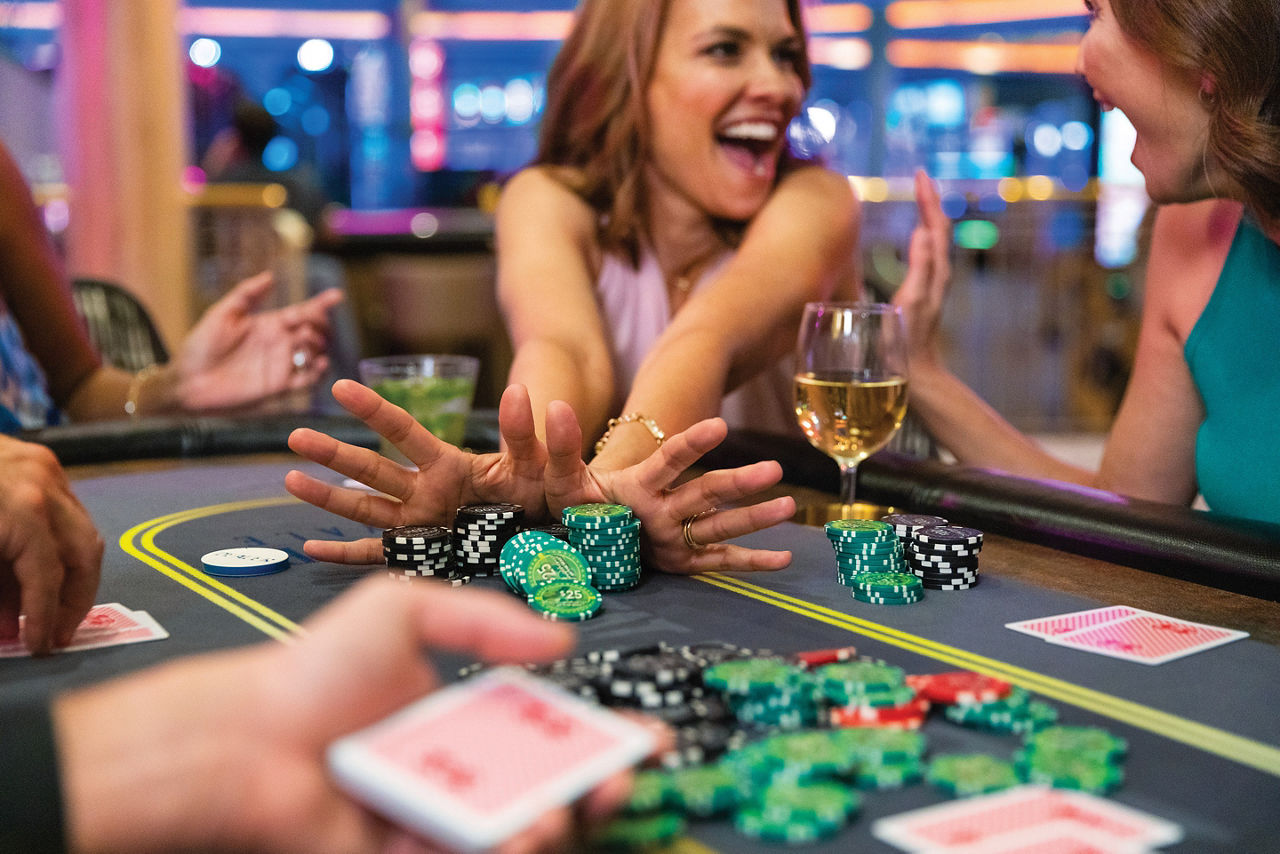
The social aspect of gambling is also a critical factor in driving behavior. Many people visit casinos with friends or family, creating an environment where social validation can enhance the experience. This camaraderie can lead to increased spending, as individuals may feel pressure to keep up with others or contribute to the group’s fun.
Furthermore, the presence of other gamblers can create a sense of shared excitement and community, making the gambling experience more enjoyable and compelling. However, this social interaction can also lead to negative consequences, such as problem gambling, if individuals feel they must conform to group behaviors or expectations.
The Impact of Rewards and Incentives
Rewards and incentives are central to the gambling experience, influencing behavior at every turn. Casinos often offer loyalty programs, bonuses, and promotional events that can entice players to gamble more frequently. The promise of rewards can create a sense of urgency, leading individuals to make impulsive decisions in pursuit of these benefits.
This reward system is designed to tap into the brain’s reward circuitry, reinforcing gambling behavior. When players receive rewards, whether it’s cash, free spins, or complimentary services, it boosts their emotional state and encourages them to continue playing, even if the odds are against them.
Understanding Responsible Gambling
As awareness about gambling behavior grows, so does the importance of promoting responsible gambling practices. Many websites and organizations provide resources and tools to help individuals understand their gambling habits and make informed decisions. Recognizing the psychological factors that drive gambling behavior can empower players to gamble responsibly and seek help if needed.
These platforms often feature educational content, self-assessment tools, and support networks to guide individuals in their gambling journeys. By fostering a better understanding of psychological influences, players can cultivate a healthier relationship with gambling and enjoy the experience without falling into harmful patterns.
